Portugal
 Spain
Spain Italy
Italy Greece
 Grenada Citizenship by Investment
Spain’s Non-Lucrative Visa (NLV) has quietly become one of Europe’s most popular residence options for retirees, digital nomads, remote workers, and families looking for a slower, sunnier pace of life.
Unlike traditional work visas, the NLV is tailored for individuals with passive income or sufficient savings who want to live in Spain without immediately working or launching a business.
What makes this visa especially attractive in 2026? For one, Spain continues to offer one of the lowest cost-of-living profiles in Western Europe without sacrificing quality of life. The NLV also opens a clear path to long-term residency, family reunification, and eventually, citizenship.
Whether you're dreaming of sipping wine in Andalusia, enrolling your kids in an international school in Madrid, or enjoying coastal life in Valencia, this visa could be your entry point.
Below is a breakdown of everything you need to know before applying, including updated financial requirements, application steps, renewal strategies, and key 2026 updates you won’t find on other sites.
⚠️ Important Update: Updated Immigration Regulations came into effect in 2025, introducing changes to residency procedures. Requirements in this guide reflect the latest available information.
What Should You Know About Spain's Non-Lucrative Visa?
Open to non-EU/EEA citizens with passive income or sufficient savings. Popular with Americans, Brits, Canadians, and Australians.
Spouses and dependent children can be added under the same application with adjusted income thresholds.
This route does not require a job offer and does not allow work in Spain. Ideal for retirees or those living from passive income.
After five years, applicants may apply for long-term residency or switch to a work or self-employment permit if eligible.
Renting is acceptable. There is no requirement to buy real estate to qualify.
After 10 years of legal residence — or just 2 years for citizens of Latin American countries, Andorra, Philippines, Equatorial Guinea, and Portugal — applicants may apply for Spanish citizenship.
What Is Spain's Non-Lucrative Visa (NLV)?
The Spain Non-Lucrative Visa (NLV) is a residence permit that allows non-EU citizens to live in Spain without engaging in any professional activity or local employment.
Designed primarily for people with independent financial means, this visa is often the go-to option for retirees, early retirees, and remote-income individuals who don’t need to rely on a Spanish job to support themselves.
Unlike Spain’s Digital Nomad Visa or Golden Visa, the NLV does not require investment in real estate or a Spanish company. It also doesn’t permit active work for Spanish clients or businesses.
The visa is initially granted for one year. It can be renewed for two additional two-year periods and eventually converted into permanent residency after five years.
Once you complete the required physical stay and demonstrate integration, citizenship may become an option too.
This visa is also family-friendly. As long as you meet the combined financial thresholds, you can include spouses, registered partners, and dependent children in your application.
What Are the Benefits of Spain's Non-Lucrative Visa?
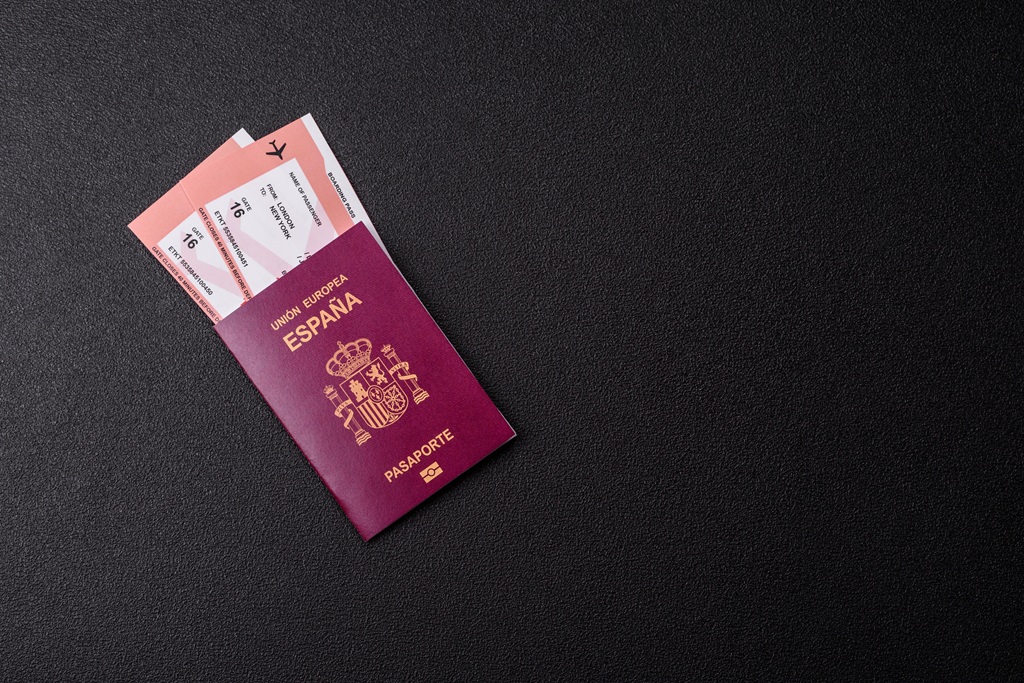
The Spain Non-Lucrative Visa offers more than just legal residency.
It opens the door to a lifestyle upgrade—one that blends safety, culture, affordability, and long-term opportunity.
Whether you're seeking a peaceful retirement or a fresh start abroad, here are the core advantages that make the NLV a standout choice in 2026.
1. Live in Spain Without Needing a Job Contract
You don’t need a Spanish employer or investment to qualify.
If you have sufficient savings, pension income, or remote income from outside Spain, you may be eligible. This flexibility is especially appealing to retirees, early retirees, and those living on passive income. Note: Remote work or telework is not permitted on this visa — for that, see the Spain Digital Nomad Visa.
2. Family Members Can Join You
The NLV supports family reunification from day one.
Your spouse or registered partner and dependent children can apply as dependents under the same visa, provided your income meets the expanded thresholds.
3. Clear Path to Long-Term Residency and Citizenship
After five years of legal residence, you can apply for long-term residency.
For most nationalities, Spanish citizenship becomes available after 10 years. Citizens of Latin American countries, Andorra, Philippines, Equatorial Guinea, and Portugal are eligible after just two years.
4. Access to Public and Private Healthcare
Once you register in your local municipality and get your NIE, you’ll have access to Spain’s excellent healthcare system.
Most NLV holders opt for private insurance initially, but public healthcare becomes available after residency renewal.
5. Visa-Free Travel Within the Schengen Zone
With a Spanish residency card, you can travel freely throughout the Schengen Area for up to 90 days in any 180-day period.
This is a major bonus for anyone planning to explore Europe while based in Spain.
6. Affordable Living Compared to Other EU Countries
Spain offers exceptional value. Whether you’re renting in Granada or shopping in Galicia, your money typically goes further here than in France, Italy, or Germany.
The relatively low cost of living makes the NLV viable for a wide range of budgets.
7. Property Purchase Optional
You are not required to buy property to apply. Renting is completely acceptable, which helps lower the entry barrier.
That said, many NLV holders do eventually invest in property once settled.
8. Flexible Transition to Other Residency Types
Once in Spain, you can switch to another type of residence permit, such as self-employment or work authorization, provided you meet the requirements.
This makes the NLV a strategic launchpad for other long-term plans.
Who Can Apply for Spain's Non-Lucrative Visa?

Spain’s Non-Lucrative Visa may be one of the most accessible ways to move to Europe, but it still comes with a defined set of requirements.
The good news is that applicants from a wide range of backgrounds can qualify if they meet the basic conditions. Here's who can apply in 2026.
1. Non-EU/EEA Citizens Only
This visa is specifically for individuals who are not citizens of the European Union (EU), European Economic Area (EEA), or Switzerland. U.S., U.K., Canadian, Australian, South African, and many Latin American citizens are eligible.
2. No Gainful Activity in Spain
Applicants must show that they will not engage in professional or economic activity inside Spain.
That means no local employment, no freelance work for Spanish clients, and no business operations within the country.
Important: The NLV prohibits all work, including remote work. Even working remotely for a foreign employer is technically not permitted on this visa. If you plan to work remotely, consider the Digital Nomad Visa instead, which explicitly allows remote work for foreign companies.
3. Minimum Financial Means
The cornerstone of NLV eligibility is financial independence. In 2026, you must show proof of sufficient monthly or annual income:
- Main applicant: At least €2,400 per month (or €28,800 annually)
- Each dependent: An additional €600 per month (or €7,200 annually)
These amounts are tied to Spain’s IPREM index and may change yearly. Proof can come from pensions, investment income, savings, or rental income from outside Spain.
💡 Tip: A bank balance of €30,000–€35,000 for an individual is often considered the bare minimum if relying solely on savings.
4. Clean Criminal Record
You must submit a background check from your country of residence covering the previous five years.
Most Spanish consulates require this to be apostilled or legalized, and translated into Spanish.
5. Full-Coverage Private Health Insurance
Applicants need to show they have Spanish private health insurance with no co-payments.
The policy must cover all types of care, including hospitalization, and should be valid for at least one year.
Travel insurance is not accepted.
6. Proof of Accommodation in Spain
A rental lease, hotel booking, or letter from a host is usually required.
Some consulates request a lease of at least 12 months, while others accept shorter stays with proof of future plans.
7. Intention to Reside in Spain
You must agree to live in Spain for at least 183 days per year, which triggers tax residency. This is not a visa for part-time living or occasional travel.
How Much Money Do You Need for the NLV?

One of the most important aspects of qualifying for Spain’s Non-Lucrative Visa is proving that you have the financial means to support yourself (and any dependents) without working in Spain.
| Applicant | EUR/Year | EUR/Month | USD/Year | GBP/Year |
|---|---|---|---|---|
| Main Applicant | €28,800 | €2,400 | ~$31,500 | ~£24,600 |
| + 1 Dependent | €36,000 | €3,000 | ~$39,400 | ~£30,800 |
| + 2 Dependents | €43,200 | €3,600 | ~$47,300 | ~£36,900 |
| Each Additional | +€7,200 | +€600 | +~$7,900 | +~£6,150 |
Based on 400% of IPREM (Indicador Público de Renta de Efectos Múltiples), Spain's official income index for 2026. Exchange rates approximate as of March 2026. Verify current rates at time of application.
In 2026, the required minimums are indexed to Spain’s IPREM (Indicador Público de Renta de Efectos Múltiples), which increases slightly each year.
The financial thresholds apply whether your funds come from a pension, rental income, dividends, or savings.
Consulates usually require consistent income or proof of a large bank balance covering at least 12 months of living costs.
2026 Minimum Income Requirements
- Main applicant: €2,400/month or €28,800 annually
- Each additional family member: €600/month or €7,200 annually
So, for a couple, you would need to show at least €36,000 per year. For a family of four, that threshold rises to around €50,400 annually.
💡 Many consulates require the full amount to be available in a bank account at the time of application, particularly if you are not receiving monthly passive income.
Accepted Proof of Funds
- Recent bank statements (typically 6–12 months)
- Pension statements or social security payments
- Investment or dividend income (with proof of regular disbursement)
- Rental income (from properties outside Spain)
- Employment income from remote work for companies outside Spain (not accepted by all consulates)
Savings alone may be accepted, but showing regular passive income is preferred and can reduce scrutiny.
| Applicant Type | Required Income | Bank Savings (Recommended) | Accepted Sources | Notes |
|---|---|---|---|---|
| Single Applicant | €28,800/year | €30,000–€35,000+ | Pension, investments, remote work, savings | Can apply solo; least documentation |
| Couple | €36,000/year | €40,000–€50,000+ | Pension + spouse savings, or joint account | Joint funds accepted with proof |
| Family of 3 | €43,200/year | €50,000–€60,000+ | Passive income, combined assets | Minor children under 18 qualify as dependents |
| Family of 4 | €50,400/year | €60,000–€70,000+ | Rental + pension + savings | Spouses must show relationship proof |
How Do You Apply for Spain's Non-Lucrative Visa?
Applying for the Spain Non-Lucrative Visa may seem daunting, but with the right preparation and documentation, the process is surprisingly straightforward.
Below is a complete breakdown of the 8 essential steps you need to follow, presented in a visual checklist format.
The application for Spain’s Non-Lucrative Visa follows a linear sequence that begins in your home country and concludes once you receive your residence card (TIE) in Spain. Each phase requires precision, patience, and planning — especially since Spanish consulates vary slightly in their procedures.
Below is a clear breakdown of what happens at each stage.
Step 1: Secure an Appointment at the Spanish Consulate
The process begins with scheduling your appointment. You must apply in person at the Spanish consulate that has jurisdiction over your area of residence. Applications cannot be submitted from within Spain.
In many countries, such as the United States, Canada, and the UK, appointments are managed via BLS International, not directly by the consulate. It’s advisable to check availability weeks in advance, as slots are often limited.
Start monitoring appointment schedules early, especially during summer or holiday periods when demand peaks.
Step 2: Gather and Prepare All Required Documents
Documentation is the backbone of your application. You’ll need to present both originals and photocopies of each item. Key documents include:
- Completed National Visa Application Form
- Valid passport (with at least one year of validity)
- Medical certificate following the 2005 International Health Regulations wording
- Proof of sufficient funds (bank statements, pensions, or investments)
- Private health insurance from a Spanish provider (no co-payments)
- Criminal background check from every country of residence in the past five years
- Proof of accommodation in Spain (rental contract or property deed)
Each document must be apostilled or legalized and translated into Spanish by a certified translator.
Step 3: Attend the Appointment and Pay the Fees
On the day of your appointment, arrive early and ensure all your paperwork is neatly organized. Payment usually includes:
- Visa processing fee (varies by nationality: US ~$140 (verified), UK/Canada/Australia fees vary — contact your consulate for current rates, others ~$106)
- Residence authorization fee (Form 790-052)
- BLS service charge (if applicable)
Most consulates only accept money orders, not cash or credit cards.
Some applicants may also be asked to attend a brief interview to confirm their intention to reside in Spain without working and to demonstrate financial independence.
Step 4: Wait for Visa Approval
Once submitted, your application enters the processing phase, which typically lasts 1 to 3 months depending on consulate (UK ~2 months, Australia ~1 month, US/Canada up to 3 months).
You can track progress via:
- Online portal: “Información sobre el estado del expediente de extranjería”
- SMS: Send your file number (NIE or EXPE) to 638 44 41 44
- Phone line: 902 02 22 22 (Spain-based inquiries)
Once approved, the consulate or BLS center will notify you to collect your passport, which will now contain your Non-Lucrative Visa sticker.
You’ll have 90 days from the issuance date to enter Spain.
Step 5: Arrive in Spain and Register Your Address
After entering Spain, you’ll need to register your local address at your nearest town hall (ayuntamiento) within the first 30 days.
This process, called empadronamiento, provides you with a Certificado de Empadronamiento, which is required for your next step — applying for the TIE card.
To register, you’ll need:
- Passport
- Visa
- Rental contract or property deed
- Utility bill or landlord letter (sometimes requested)
Larger cities may require an online appointment (cita previa).
Step 6: Apply for Your Residency Card (TIE)
Within 30 days of arrival, you must visit a Foreigner’s Office (Oficina de Extranjería) or National Police station to apply for your Tarjeta de Identidad de Extranjero (TIE) — your official residency ID card.
Here’s how it works:
- Book a Cita Previa: Choose “POLICÍA – TOMA DE HUELLAS (EXPEDICIÓN DE TARJETA)”
- Complete Form EX-17 with your NIE number (from the visa)
- Pay Form 790 Código 012 fee (~$13) at a local bank before your appointment
- Bring all required documents:
- Passport
- Empadronamiento certificate
- Visa and entry stamp
- Proof of payment
- Passport-sized photos
After fingerprinting, your TIE card will be ready in about 3–4 weeks.
Step 7: Enjoy Your New Life in Spain
Once you’ve received your TIE, you are officially a Spanish resident under the Non-Lucrative Visa.
You can open a bank account, enroll in healthcare, register your children in school, and travel freely within the Schengen Area.
What Documents Do You Need for the NLV?
Before booking your appointment, make sure you’ve gathered all the required paperwork. Missing or incomplete documentation is one of the most common reasons for visa delays or rejections.
Each document must be translated into Spanish and apostilled or legalized where applicable.
Below is a detailed checklist you can turn into an interactive block or downloadable file.
Where Do You Apply for the Non-Lucrative Visa?
The Spain Non-Lucrative Visa must be applied for in your country of legal residence, never from inside Spain.
Each Spanish consulate follows slightly different rules for documents, translations, and processing times. In most cases, appointments are managed through BLS International, Spain’s authorized visa partner
| Country | Primary Consulates | Appointment System | Average Processing Time |
|---|---|---|---|
| United States | New York, Los Angeles, Miami, Chicago, San Francisco, Houston, Boston, Washington D.C. | BLS International (usa.blsspainvisa.com) | 6–10 weeks |
| United Kingdom | London, Manchester, Edinburgh | BLS International (uk.blsspainvisa.com) | 6–8 weeks |
| Canada | Toronto, Montreal, Ottawa, Vancouver | Direct Consulate Booking | 8–12 weeks |
| Australia | Sydney, Melbourne, Canberra | Direct Consulate Booking (exteriores.gob.es) | 5–8 weeks |
| Latin America | Mexico City, Buenos Aires, Bogotá, Santiago, Lima | Direct Consulate Booking | 4–6 weeks |
| Other Regions | Dubai, Johannesburg, New Delhi, Manila | BLS International (regional portals) | 8–10 weeks |
What's It Like Living in Spain on the NLV?

Once your Non-Lucrative Visa is approved and you’ve settled into your new home, you officially become a Spanish resident.
This brings many advantages, including access to healthcare, education, and the opportunity to truly immerse yourself in Spain’s relaxed lifestyle. Here’s what you can expect once you begin your new chapter.
Healthcare Access
Spain’s healthcare system ranks among the best in Europe. During your first year, you’ll rely on private health insurance, which is required for the visa.
After your first renewal (year two onward), you may qualify for public healthcare by registering with the Seguridad Social system.
If you hold private insurance:
- Ensure your policy covers full hospitalization and outpatient services.
- Most popular insurers include Sanitas, Adeslas, and Mapfre, with English-language support available.
If you register for public healthcare later:
- You’ll receive a tarjeta sanitaria individual (TSI), which allows access to free or low-cost treatment in public hospitals.
Housing and Accommodation

You can either rent or buy property while living on the NLV.
Renting is often the easier choice for newcomers, as many consulates require proof of a lease to issue the visa.
Typical monthly rents in 2026:
- Madrid: €1,000–€1,800
- Valencia: €800–€1,400
- Seville: €700–€1,100
- Málaga or Alicante: €900–€1,500
If you decide to purchase a home, you can do so under your own name as a resident. However, buying property does not speed up citizenship or visa renewals under the NLV program.
Education for Families
Spain is very family-friendly, and NLV holders can enroll their children in public, private, or international schools.
- Public schools are free and follow the Spanish curriculum, making them great for long-term integration.
- International schools offer British, American, or IB programs, ideal for expat families planning shorter stays.
- Tuition at international schools generally ranges from €6,000 to €12,000 per year.
Your child must be registered at a local town hall (empadronamiento) before enrollment.
Banking and Everyday Finances
Once you receive your TIE card, opening a Spanish bank account is straightforward. Recommended banks for expats include BBVA, Santander, CaixaBank, and Sabadell, most of which offer English-speaking online banking.
- Use your NIE number (from your visa) when opening the account.
- Some banks also allow pre-residency accounts for those applying for the visa abroad.
Most everyday expensesrent, utilities, internet, and insurance — are handled via direct debit (domiciliación bancaria).
Language and Integration

Although English is widely understood in major cities, learning basic Spanish will significantly improve your experience.
Consider enrolling in local courses or using free integration programs offered by your Ayuntamiento.
Daily life becomes easier when you can navigate local bureaucracy, understand bills, and connect with neighbors.
Transportation and Mobility
Spain’s transport infrastructure is efficient and affordable.
- Metro & buses: Available in all major cities with prepaid passes.
- Trains: The Renfe AVE high-speed trains connect most large cities in under 3 hours.
- Driving: You can use your foreign license for up to six months, but many residents exchange it for a Spanish one later.
Lifestyle and Cost of Living
Spain offers a comfortable lifestyle at a fraction of the cost of other Western European countries. Groceries, dining, and entertainment remain affordable even in big cities.
Estimated monthly living costs (excluding rent):
- Single: €800–€1,200
- Couple: €1,400–€1,800
- Family of four: €2,000–€2,500
The NLV’s flexibility means you can live anywhere in Spain, from the cultural heartbeat of Madrid to the Mediterranean calm of Valencia or the island life of Mallorca.
How Do You Renew the NLV and Get Residency?
Your first Non-Lucrative Visa is valid for one year, but renewal is straightforward if you continue meeting the income and insurance requirements.
Spain’s renewal system rewards consistency, the longer you maintain your residency, the easier the process becomes.
Renewal Process
The Spain Non-Lucrative Visa is initially valid for one year and can be renewed for two-year periods as long as you continue to meet the financial and insurance requirements. You can apply 60 days before or up to 90 days after the expiry date of your residence card at the local Oficina de Extranjería.
To renew, you’ll need your passport, current TIE card, proof of residence (such as utility bills or empadronamiento), updated bank statements, and renewed private health insurance.
You’ll also need to pay the renewal fee using Form 790-052, attach the receipt, and submit your complete dossier in person. Once approved, book an appointment for fingerprinting and collect your new TIE card within 3–4 weeks.
After your first renewal, the next extension covers another two years, bringing your total residence time to five years. By then, you may qualify for long-term residency, which grants indefinite residence rights similar to Spanish citizens, allowing you to live and work freely in Spain.
If your circumstances change, you can also modify your status to a work or self-employment permit after your first year.
To do this, submit a modificación de residencia no lucrativa a residencia y trabajo request along with your job offer or business plan and proof of continued financial stability.
Processing typically takes 2–4 months, and once approved, you’ll be allowed to work legally in Spain without leaving the country.
What Taxes Do NLV Holders Pay in Spain?

After living in Spain for more than 183 days per year, Non-Lucrative Visa holders automatically become Spanish tax residents. This means you must declare worldwide income, including pensions, investments, or rental income from abroad, under Spain’s IRPF system, which ranges from 19% to 47% depending on your earnings.
If you’re from the United States, the U.S.–Spain Tax Treaty helps prevent double taxation through credits like the Foreign Tax Credit (Form 1116). However, you must still file your U.S. tax return and report foreign assets under FBAR (FinCEN 114) or FATCA (Form 8938) if applicable. Spain also requires residents to declare foreign assets above €50,000 using Modelo 720.
To manage finances smoothly, it’s best to open a Spanish bank account once you have your NIE or TIE card. Leading expat-friendly banks such as BBVA, Sabadell, CaixaBank, and Santander offer English-language support and online banking. Use one account for daily expenses and another for international transfers to simplify tracking.
For long-term financial health:
- Maintain at least the required income threshold for renewals (€57,600 for the two-year renewal).
- Keep your health insurance active without coverage gaps.
- Track your residency days carefully to stay compliant with tax rules.
- Consult a qualified Spanish tax advisor (asesor fiscal) to help structure your finances efficiently and avoid unnecessary penalties.
How Does NLV Residency and Renewal Work?
The Spain Non-Lucrative Visa is valid for one year and renewable for two-year periods if you maintain sufficient funds and health insurance. You can renew up to 60 days before or 90 days after expiry at your local Oficina de Extranjería.
Bring your passport, TIE card, proof of residence, bank statements, and insurance. Submit the renewal form (790-052) with payment and, once approved, attend fingerprinting to collect your new card.
After five years, you can apply for long-term residency, allowing you to live and work in Spain indefinitely.
You may also switch to a work or self-employment permit after one year by applying for modificación de residencia no lucrativa a residencia y trabajo.
If you spend over 183 days annually in Spain, you become a tax resident, meaning worldwide income — pensions, investments, and rent — is taxable under IRPF (19–47%). U.S. citizens can avoid double taxation through the U.S.–Spain Tax Treaty, but must still file U.S. returns and may need to declare foreign assets via Modelo 720.
Opening a Spanish bank account simplifies life. Major banks like BBVA, Sabadell, CaixaBank, and Santander offer expat-friendly services and English support.
Keep one account for daily use and one for international transfers. To stay compliant, maintain the required income threshold, continuous insurance, and track your days for tax purposes.
Working with a qualified asesor fiscal ensures smooth renewals and proper tax filings.
What's the Difference Between NLV and Digital Nomad Visa?
While both visas allow you to live long-term in Spain, they serve very different lifestyles.
The Non-Lucrative Visa is ideal for retirees or those with passive income, while the Digital Nomad Visa suits remote workers earning from abroad.
| Feature | Non-Lucrative Visa | Digital Nomad Visa |
|---|---|---|
| Work Permission | Not allowed in Spain; only passive or foreign income. | Permits remote work for foreign companies. |
| Minimum Income | €28,800/year (main applicant) + €7,200 per dependent. | €30,000–€35,000/year from foreign employer or freelance income. |
| Tax Residency | Becomes taxable after 183 days per year. | Can access Beckham Law for tax reductions (24% flat rate). |
| Permit Length | 1 year + 2 + 2 renewals → long-term residency after 5 years. | Up to 3 years, renewable every 2 years. |
| Best For | Retirees, families, investors, long-term residents. | Remote workers, freelancers, tech professionals. |
| Dependents | Allowed (spouse, children, parents). | Allowed with proof of additional income. |
| Path to Citizenship | Eligible after 10 years of residence. | Eligible after 10 years (same rules apply). |
Frequently Asked Questions About Spain's NLV
Is Spain's Non-Lucrative Visa Right for You?
The Spain Non-Lucrative Visa opens the door to a peaceful, fulfilling life in one of Europe’s most vibrant countries.
Whether you’re a retiree seeking sunshine, a remote worker craving balance, or a family looking for stability, this visa offers a clear path to long-term residence and, eventually, citizenship.
Living in Spain under the NLV isn’t just about meeting financial criteria, it’s about embracing a slower rhythm, warm culture, and everyday moments that make life feel fuller.
With careful planning, the right documents, and expert guidance, your move to Spain can be as effortless as the Mediterranean breeze.

Ready to Secure Your Spain Non-Lucrative Visa?
At Movingto, we offer independent advice, compare all major EU programs, and connect you with vetted legal partners — with teams on the ground in Lisbon, Barcelona, and Milan.
Book a Free ConsultationSources
- Spanish Ministry of Foreign Affairs - Visa Information
- RD 1155/2024 - Immigration Regulation (BOE)
- Spanish Government Immigration Portal
Last verified: February 2026