Portugal
 Spain
Spain Italy
Italy Greece
 Grenada Citizenship by Investment

The idea of living abroad appeals to many.
Quick Answer: The easiest residency permits in 2026 are: Portugal D7 (€920/month passive income, 7 days/year stay, 5-year citizenship), Panama Pensionado ($1,000/month pension, fast processing), and Paraguay ($5,000 deposit, weeks to PR, 3-year citizenship). For digital nomads: Portugal D8 (€3,680/mo), Spain DNV (€2,850/mo with 24% flat tax), or Croatia (€3,295/mo, tax-free foreign income). For investors: Greece Golden Visa (€250k–800k real estate) or Malta MPRP (~€99k fees + property).
Whether it's to improve quality of life, lower living costs, access better healthcare, or simply experience something new, the goal is often the same: find a place that's welcoming and attainable.
But what's "easy" for one person might be difficult for another.
For a retiree with a steady pension, the easiest country might be one with low financial requirements and relaxed stay rules.
A remote worker might prioritise a digital nomad visa and fast internet, while an investor might look for tax advantages and global mobility.
The point is, there's no single answer. Ease depends on your income, your lifestyle, your goals, and sometimes even your passport.
Instead of listing countries without context, this guide helps you build a strategy. You'll see what options exist, what’s involved, and which paths are the most accessible depending on your situation. From Europe to Latin America, from temporary stays to full citizenship, this is your roadmap to making a move that works.
Key Takeaways: 2026 Residency Guide
Remains the most accessible for passive income earners, requiring just **€920/month** net (linked to the 2026 minimum wage) plus savings.
Most EU nomad visas (Portugal, Spain, Greece) now hover around a **€2,850/month** income requirement for remote professionals.
A strictly "no-work" permit. Requires approx **€2,400/month** (400% IPREM). Ideal for retirees, but less flexible than Portugal's D7.
With real estate tiers now at **€400k/€800k** for most areas, the **€250k** route is restricted to specific listed building restorations.
The fastest non-EU route. Qualify with a **$200,000** fixed bank deposit or real estate purchase for a path to permanent residency.
A 10-year "Golden Visa" equivalent for high earners ($80k/year) or retirees with significant assets, offering tax-free foreign income.
Portugal remains unique with a low stay requirement (average **7 days/year**) to keep residency valid, unlike most permits requiring 6+ months. Note: citizenship requires more substantial presence.
Regardless of "ease," every permit requires local tax IDs and bank accounts. Plan 2–4 weeks for these prerequisites before filing.
Choosing the Right Path: 3 Core Residency Routes
Not all residency permits are built the same. Before jumping into which countries are the easiest, it helps to understand how people usually qualify.
Most programs fall into one of three categories. Each one is tailored to a different lifestyle, income source, and long-term goal.
The Investor Route (Golden Visas)
This option is for people who have capital to invest. In exchange for buying real estate, contributing to government funds, or backing local businesses, applicants can gain residency rights for themselves and their families.
It’s a popular path for high-net-worth individuals who want a foothold in another country and sometimes a backup plan.
Key advantages
- Visa-free travel within regions like the Schengen Area
- Family members included
- Often low or no stay requirements
- Clear route to permanent residency or citizenship in many cases
Best suited for: investors, entrepreneurs, and families with financial flexibility.
The Passive Income Route (Retirement or Financial Independence Visas)
This is the sweet spot for retirees or financially independent individuals. If you can prove stable income from pensions, investments, or rentals, many countries will welcome you without requiring work or business activity inside their borders.
Typical income sources:
- Government or private pensions
- Dividends, real estate income, interest payments
- Annuities or trust distributions
This route doesn’t demand big investments, just proof you can support yourself. Some countries even offer benefits like discounts for retirees, easy access to healthcare, and low cost of living.
Best suited for: retirees, early retirees, and anyone living off reliable income streams.
The Digital Nomad Route (Remote Work Visas)
Remote work has revolutionised the landscape. Dozens of countries now offer special visas for people who work online for companies or clients based outside the country.
These permits are great for freelancers, remote employees, and online business owners who want to live abroad legally without violating tourist visa rules.
What’s usually required:
- Proof of income from remote work
- A minimum monthly income is required, which varies by country.
- Health insurance and clean criminal record
Some countries even offer tax incentives for digital nomads. These visas tend to last from 6 months to 2 years and can often be renewed.
Best suited for: freelancers, remote employees, digital entrepreneurs, creatives, and consultants
2026 Residency Updates: Key Regulatory Changes
The residency landscape has shifted significantly as of early 2026. These updates directly impact minimum income requirements and investment thresholds across our most searched destinations.
- 🇵🇹 Portugal Minimums: Following the 2026 wage increase, the D7 Passive Income requirement is now €920/month. The D8 Digital Nomad visa now requires €3,680/month (4x the national minimum).
- 🇪🇸 Spain Income Reset: The Digital Nomad Visa now requires €2,850/month (200% of SMI). The Non-Lucrative Visa (NLV) requirement stands at €2,400/month.
- 🇬🇷 Greece Tiered Investment: High-demand zones (Athens, Mykonos, Santorini) now require €800,000. The €250,000 route is strictly limited to commercial-to-residential conversions or listed building restorations.
- 🇲🇽 Mexico Solvency Hike: Due to a 13% wage hike, income solvency requirements have risen; applicants should prepare to show approximately $4,400 USD monthly for temporary residency.
Quick Comparison: The Three Main Residency Routes
Each residency pathway caters to a different kind of lifestyle and financial profile.
Investors focus on capital, retirees rely on steady income, and digital nomads leverage location-independent work. The table below highlights how these three paths differ in cost, eligibility, and flexibility.
| Route | Minimum requirement (2026) | Where / scope | Main rules | Stay & usage |
|---|---|---|---|---|
| Investor (Golden Visa) | €250k–€800k+ | Portugal (Funds), Greece, Malta, Italy | Investment in funds, real estate (Greece only), or business; proof of legal funds | Usually no stay requirement (e.g., 7 days/yr in Portugal); renewable with investment |
| Passive Income / Retirement Visa | €920–€4,400+ monthly income | Portugal (D7), Spain (NLV), Panama, Costa Rica, Mexico | Proof of recurring passive income (pension, dividends, rentals); private health insurance | Requires living 6+ months/year to maintain status and tax residency |
| Digital Nomad Visa | €2,500–€3,700 monthly income | Spain, Portugal (D8), Croatia, Mexico, Costa Rica | Proof of remote work for non-local clients; clean criminal record; minimum 1-year stability | Typically 1–3 year permits; renewable; no local work allowed in most cases |
Easiest Countries in Europe for Residency
 Portugal
Stable and Welcoming
Portugal is one of Europe’s most popular residency destinations thanks to its simplicity and lifestyle appeal.
Applicants can qualify through passive income, investment funds, or remote work programs. The D7 visa attracts retirees and financially independent individuals, while the D8 and Golden Visa routes appeal to professionals and investors.
With affordable living, strong healthcare, and a 5-year path to citizenship, Portugal remains one of the easiest and most rewarding European options.
 Spain
Spain
Culture and Coastal Living
Spain blends lifestyle, opportunity, and accessibility better than most European destinations.
With its Non-Lucrative Visa, retirees and financially independent individuals can enjoy Mediterranean living on a steady income.
Important Note: Spain's Golden Visa program ended in April 2025, but the Non-Lucrative Visa and Digital Nomad Visa remain strong options. Digital nomads can also benefit from a capped tax rate under the Beckham Law.
Excellent healthcare, vibrant culture, and diverse cities make Spain a leading choice for long-term relocation.
 Greece
Investor-Friendly System
Greece offers one of Europe’s most accessible residency programs, attracting investors and families alike.
The Golden Visa program allows property investments from €400,000–€800,000 depending on location (€250,000 only for special restoration projects), with no need to live in the country to keep residency status. Greece also provides a financially independent route for retirees and a newer digital nomad visa for remote professionals.
With its warm climate, rich culture, and affordable Mediterranean lifestyle, it’s a strong choice for long-term relocation or investment.
 Malta
Malta
Secure and English-Speaking
Malta’s residency options combine long-term stability with lifestyle benefits.
The Malta Permanent Residence Programme (MPRP) grants permanent status immediately through a structured combination of contributions and property commitments.
The country also offers a Digital Nomad Residence Permit for remote professionals earning around €3,500 per month.
With English as an official language, strong healthcare, and visa-free travel across Schengen countries, Malta remains a top-tier option for those seeking both convenience and prestige within the EU.
 Croatia
Nomad-Friendly Lifestyle
Croatia is a strong pick for remote workers who want Mediterranean living without the high price tag.
The digital nomad residence is straightforward, lasts up to 12 months, and exempts foreign-earned income from local tax.
You will need a short gap before reapplying, but the tradeoff is access to historic coastal cities, island life, and a growing expat scene that makes settling in feel easy.
Easiest Countries in Latin America for Residency
 Panama
Simple and Tax-Light
Panama is one of Latin America’s easiest countries for residency, offering fast-track options and a tax-friendly environment.
The Pensionado Visa welcomes retirees with a lifetime income of at least $1,000 per month, while the Friendly Nations Visa allows citizens of select countries to gain residency with a $200,000 real estate investment. The Qualified Investor Visa (open to all nationalities) requires $300,000.
Its Digital Nomad Visa is designed for remote workers earning around $3,000 monthly.
Combined with dollarised stability, modern infrastructure, and mild bureaucracy, Panama remains one of the top relocation choices for expats.
 Mexico
Affordable and Accessible
Mexico offers one of Latin America’s most straightforward residency systems, ideal for retirees, digital nomads, and entrepreneurs.
The Temporary Resident Visa can be obtained by showing sufficient monthly income or savings, typically around $4,400 per month or equivalent savings. After four years, applicants can transition to permanent residency.
While Mexico doesn’t have an official “digital nomad” visa, remote workers often qualify under the same financial proof. With its cultural diversity, strong infrastructure, and proximity to the U.S., Mexico stands out as an accessible and affordable relocation hub.
 Costa Rica
Eco-Friendly and Peaceful
*Deposit held in a local bank; renewable. Nomads enjoy foreign-income tax exemption.
Costa Rica is a long-time favourite among expats because of its safety, nature, and welcoming policies.
The Pensionado Visa only requires a $1,000 monthly lifetime pension, while the Rentista Visa suits freelancers or business owners willing to deposit $60,000 in a local bank. The Digital Nomad Visa, launched in 2022, targets remote professionals earning at least $3,000 per month.
Combined with territorial taxation and affordable healthcare, Costa Rica offers a relaxed path to residency and a high quality of life surrounded by natural beauty.
 Paraguay
Fast and Low-Cost Residency
Citizenship may be possible after ~3 years of residency with basic income proof.
Paraguay stands out for its fast and affordable path to permanent residency.
Applicants can qualify by depositing around $5,000 in a local bank and presenting proof of clean background records. There’s no strict income requirement, and residency can often be secured within weeks.
The country operates under a territorial tax system, meaning foreign-earned income isn’t taxed. After just three years, residents can apply for citizenship, making Paraguay one of the most accessible and low-cost options in Latin America for long-term settlement.
 Argentina
Fast Citizenship Track
Citizenship possible after 2 years of legal residency with continuous presence.
Argentina is one of the few countries in the world that offers citizenship after just two years of legal residency, making it especially appealing for long-term planners.
The Rentista Visa suits freelancers and remote workers with proof of stable income, while business owners can qualify through small-scale investments.
A dedicated Digital Nomad Visa allows short-term residence for remote professionals. With low living costs, rich culture, and strong legal protections for residents, Argentina offers a fast and flexible route to both residency and eventual citizenship.
What to Consider Before You Choose
Every residency path looks appealing on paper, but the right one depends on how you live, work, and plan for the future.
Some countries value passive income, others reward investment or entrepreneurship.
Before you decide, think about your financial readiness, how long you plan to stay, and what kind of lifestyle aligns with your goals.
A smart residency choice balances opportunity with comfort — giving you the freedom to move without the stress of uncertainty.
1. Financial Readiness and Proof of Income
Residency programs often set minimum income or investment requirements — from €800 a month for passive visas to over $3,000 for digital nomads.
Beyond meeting those thresholds, factor in relocation costs, rent, healthcare, and application fees. It’s not just about qualifying; it’s about sustaining your new lifestyle comfortably.
2. Visa Duration and Renewal Rules
Some permits last one year, others up to five. Many require proof of funds or property ownership for renewal.
Understanding when and how to renew helps avoid lapses or overstays. Our team helps applicants track deadlines, so each stage of your residency remains compliant and predictable.
3. Tax Residency and Double Taxation
Holding a residence permit doesn’t automatically make you a tax resident — but in some countries, it can.
Consider whether your home country has a double-taxation treaty and whether you’ll need to file in both. The right financial planning, ideally through a licensed tax expert, can help optimize your global income structure.
4. Healthcare, Education, and Family Coverage
For families, access to quality public or private healthcare is essential.
Countries like Spain, Portugal, and Malta provide solid systems, while some Latin American programs rely on affordable private care. If you’re moving with children or parents, check who’s eligible for dependent status and how long their permits last.
5. Citizenship Prospects
Some programs lead to permanent residency and, later, citizenship — others don’t.
Timelines can range from two years (Argentina) to ten (Spain). If your end goal includes a second passport, plan ahead. Residency is the first step, but maintaining ties, staying compliant, and meeting language or integration standards will matter later.
6. Lifestyle and Language Fit
Residency isn’t just a legal status — it’s a new rhythm of life.
Climate, safety, culture, and language can determine whether you thrive abroad. Whether you prefer the Mediterranean coast or Latin American charm, choose a destination where your daily life feels natural, not foreign.
How to Apply for a Residency Permit
Applying for a residency permit is more straightforward than it appears, if you prepare the right documents in advance.
Most countries follow a similar pattern: gather personal records, prove your income or investment, and attend a biometric or interview appointment.
Below is a clear, step-by-step list of what’s typically required for a smooth application process.
Processing Time & Validity
Once your documents are submitted, approval timelines can vary widely depending on the country and the permit type.
Some programs process in just a few weeks, while others take several months, especially when investment verification or background checks are involved.
The table below summarises average processing periods and permit validity across major regions.
| Region | Visa Type | Processing Time | Validity | Renewal | Citizenship Path |
|---|---|---|---|---|---|
| Europe | Passive / Investor | 2–6 months | 1–5 years | Renewable with compliance | 5–10 years |
| Europe | Digital Nomad | 1–3 months | 1 year | Renewable (1–2 years) | Varies; limited in most cases |
| Latin America | Passive Income | 2–4 months | 1–2 years | Renewable | 2–5 years |
| Latin America | Investment | 3–6 months | 2 years | Renewable or convertible | 2–5 years |
| Latin America | Digital Nomad | 1–2 months | 6–12 months | Renewable (1 year) | Usually not applicable |
Benefits of Residency
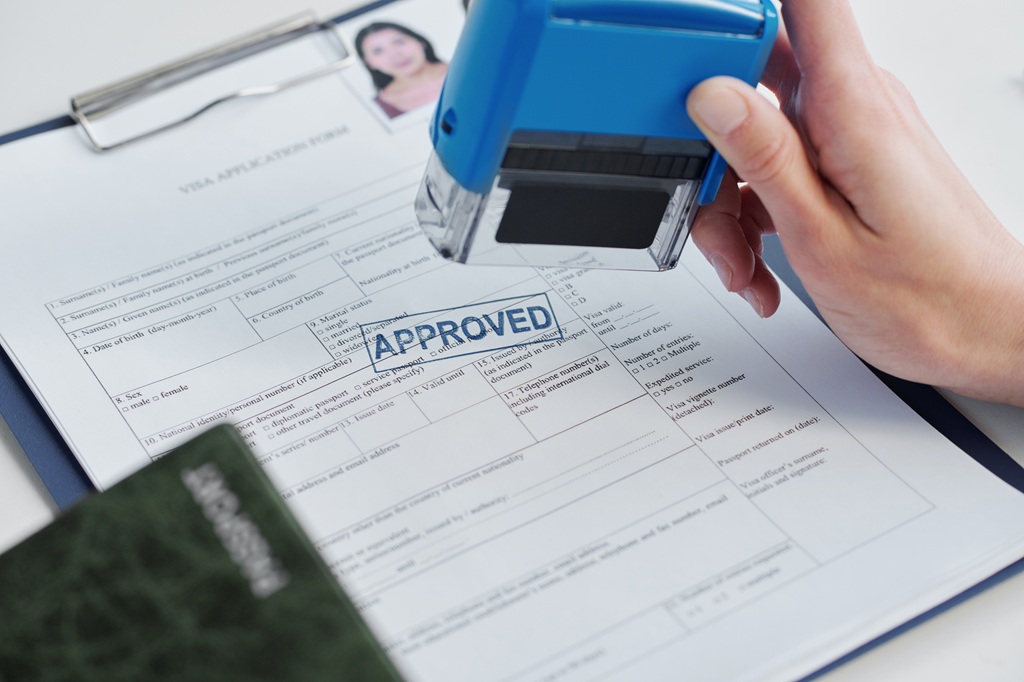
Residency comes with far more than the right to stay — it’s the foundation for a stable and secure life abroad.
Here are the key advantages you gain once your residency is approved:
Mobility
Travel becomes easier, with visa-free or simplified movement across neighboring countries and the wider region.
Healthcare Access
Gain entry to quality public or private healthcare systems, often more affordable than in your home country.
Education
Residents can enroll children in local schools and often enjoy lower university tuition fees.
Banking and Finance
Residency simplifies opening bank accounts, applying for credit, and making local investments.
Work Opportunities
Some programs grant work rights, allowing you to seek employment or register as self-employed.
Property Ownership
Residency makes buying, renting, or developing real estate easier, often with better protection and lower taxes.
Family Inclusion
Spouses, children, and even parents can join under one permit, ensuring the whole family benefits.
Legal Stability
Secure the right to stay long-term without repetitive visa renewals or travel limitations.
Tax Planning Options
Many countries offer favorable regimes, such as taxing only local income or providing special resident exemptions.
Path to Citizenship
Residency is often the first step toward citizenship — with renewals and compliance, a passport can follow in a few years.
Quality of Life
Residency opens the door to a more balanced, affordable, and inspiring way of living.
Costs and Fees

Before applying for residency, it’s important to understand the full cost picture. These expenses go beyond the government fee and include everything from document preparation to ongoing renewals.
Government Fees
Every program has an official filing or state fee. It can range from around €100 for basic residence permits to several thousand for investor routes.
Legal and Translation Costs
Documents such as birth certificates, criminal records, and proof of income often need to be translated, notarised, and apostilled. If you hire a lawyer, expect professional fees that vary by country and visa type.
Investment or Deposit Requirements
For investment-based routes, the minimum amount can start from €250,000 in Europe or $50,000 in Latin America. Some programs also require deposits in local banks or funds.
Health Insurance
Many countries require proof of private or public health insurance before approval. Annual premiums typically range between €300 and €1,000 per person.
Living and Setup Costs
Applicants should budget for housing, transportation, and initial setup. The first six months can be more expensive due to deposits, utilities, and local registration fees.
Renewal and Maintenance Fees
Residency isn’t a one-time expense. Renewals usually involve a smaller government fee and sometimes updated financial or address documentation.
Hidden or Occasional Costs
Courier fees, embassy appointments, document verifications, and certified translations can quickly add up. It’s best to budget an extra 10–15% buffer for these.
| Category | Average Range | What It Covers | Example (Europe) | Example (Latin America) |
|---|---|---|---|---|
| Government Fees | €100–€2,000+ | Application and residence card issuance | €158 (Portugal residence card) | $250 (Panama Pensionado) |
| Legal & Translation Costs | €200–€1,000+ | Sworn translations, apostilles, and attorney filing | €500–€1,000 (Spain) | $300–$600 (Mexico) |
| Investment or Deposit | €50k–€800k+ | Property, business, or fund contribution | €250k–€800k (Greece) | $5k–$70k (Paraguay) |
| Health Insurance | €300–€1,000/yr | Private or public medical coverage | €450 average premium | $350 average premium |
| Living & Setup Costs | €1,000–€3,000/mo | Rent, utilities, registration, local transport | Lisbon or Athens city averages | Mexico City or San José averages |
| Renewal Fees | €100–€600 | Permit renewal, new biometrics, admin costs | €158 (Portugal renewal) | $200 (Costa Rica extension) |
| Hidden / Misc. Costs | +10–15% | Courier, postage, embassy appointments, bank fees | Translation + legalisation buffer | Document shipping or notarisation |
Common Mistakes to Avoid
Even strong applications can be delayed or rejected for simple reasons. Before you file, take a moment to review the most common pitfalls that trip up new applicants.
- Incomplete or Expired Documents — Residency offices reject more applications for missing paperwork than anything else. Make sure every document is recent, apostilled, and translated where required.
- Wrong Financial Proof — Each country defines income differently. Pension statements, dividends, or freelance income might not all qualify. Always confirm what counts as “stable income” before applying.
- Health Insurance Gaps — Private travel insurance isn’t always enough. Most programs want full coverage within the destination country. Double-check the policy type and validity dates.
- Incorrect Visa Type — Arriving on the wrong entry visa can cause problems later. For example, entering on a tourist visa when applying for long-term residency might require exiting and re-entering the country.
- Late Renewals — Missing a renewal window can reset your residency timeline. Track expiration dates carefully and start renewals at least 60 days before expiry.
- Tax Residency Confusion — Becoming a resident doesn’t always make you a tax resident — but sometimes it does. Many applicants fail to plan for tax exposure early enough. Consulting a cross-border advisor prevents issues later.
- Ignoring Local Rules — Some permits have restrictions on work, short-term rentals, or property use. Breaking these rules can lead to fines or revocation of your status.
- Not Using Legal Support — Residency laws shift often. Relying solely on outdated online guides can cause major setbacks. Working with an experienced, licensed professional ensures compliance and peace of mind.
FAQs
Conclusion
Choosing where to begin your residency journey isn’t just about paperwork — it’s about lifestyle, opportunity, and the long-term peace of mind that comes with stability.
Whether your goal is to retire by the sea, invest in a growing market, or find a fresh start in a safe and welcoming country, the right residency program can make that move possible.
From Europe’s investor-friendly options to Latin America’s affordable pathways, each destination offers its own mix of benefits and timelines. The key is finding a route that matches your goals — financial, personal, and professional — while staying compliant with local requirements.
At Movingto.com, we help simplify that process.
Our team works with licensed legal partners to design a clear, transparent plan tailored to your profile, ensuring every document, deadline, and step is handled with precision.
Sources
- Portugal Government — 2026 minimum wage and D7/D8 thresholds
- Portuguese Ministry of Foreign Affairs — Visa requirements
- Spanish Government — NLV and Digital Nomad Visa regulations
- Enterprise Greece — Golden Visa investment tiers
- Residency Malta Agency — MPRP program
- Panama Immigration — Pensionado and Friendly Nations visas
- Mexico INM — Temporary and permanent residency

Ready to Get Your Residency Permit?
At Movingto, we offer independent advice, compare all major EU programs, and connect you with vetted legal partners — with teams on the ground in Lisbon, Barcelona, and Milan.
Book a Free Consultation